
If you’ve explored townhouse options in Melbourne’s growth suburbs, from Officer to Clyde North, Mickleham or Pakenham East, you’ve probably noticed something interesting: the most inviting ones often have their living spaces upstairs.
This design approach, known as reverse living, is becoming increasingly popular with the average townhouse owners and buyers as they want to make the most of light, privacy and day-to-day use of space.
What is reverse living?
Reverse living, sometimes called inverted or upside-down design, flips the traditional concept of home design and layout. Bedrooms and entries sit on the ground floor, while the kitchen, dining and main living area are placed upstairs.
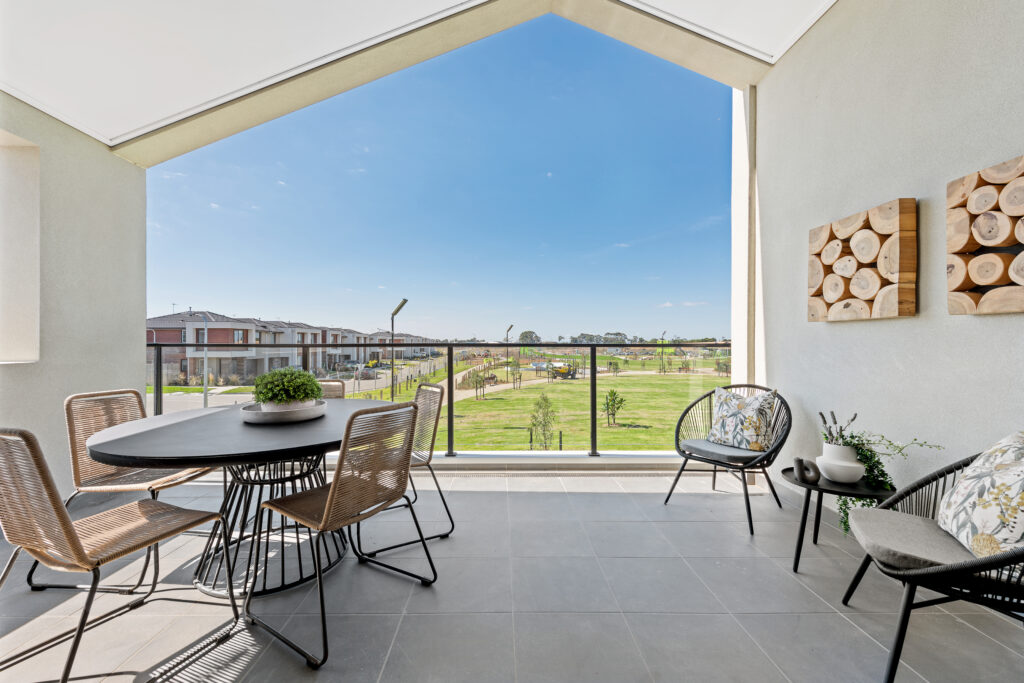
In a Melbourne townhouse, this simple shift makes a big difference. Compact lots, orientation and neighbouring homes can limit natural light downstairs. Moving the living zones upstairs lifts you into the light, creating brighter, more open spaces that feel connected to the outdoors.
Instead of staring at boundary fences, you’re looking out to the surrounds beyond. Instead of being overlooked by passing foot traffic, you gain privacy and serenity.
Where does reverse living originate from?
The concept is widely credited to colder European climates, particularly Scandinavia in the 1930s, where designers chased winter sun. It has grown in popularity across Australia as our cities become more populated. In Melbourne, it works for terrace style and side-by-side townhouses on narrow lots because the upper floor typically enjoys more daylight, less street noise and better sightlines to parks and treetops.
Simple reverse living house designs
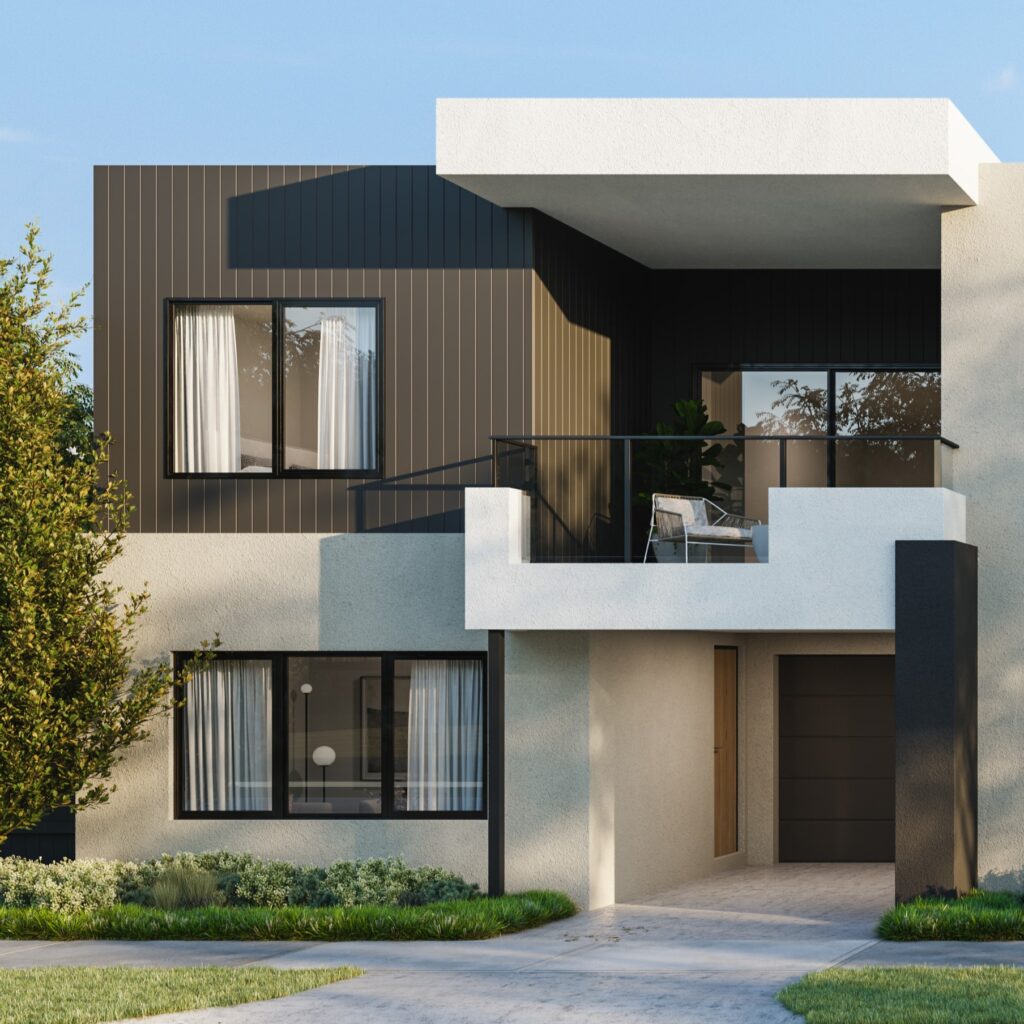
When you walk into a reverse living townhouse, the layout will instantly feel different. Entering at ground level, perhaps through the garage or a private entry, you’ll find bedrooms, laundry and storage conveniently on hand.
Then you take the stairs up to the main living floor. Here’s where the magic happens: the home opens up and fills with light. Ceiling heights often feel generous and stacker doors lead to an outdoor terrace that becomes your elevated entertaining zone. Kitchens are typically positioned to connect seamlessly to this space, so that you can connect with the outdoors when making weekend breakfasts or evening dinners.
Sienna Homes’ townhouse designs, like those showcased in Ridgelea and Olio Square, demonstrate how this can work beautifully in practice. Each plan maximises natural light through large, double-glazed windows and every layout meets a minimum 7-star energy rating, so the design not only looks good but performs well year-round.
How the layout shapes design
Buyers sometimes wonder whether living upstairs is inconvenient. In reality, the staircase becomes part of the home’s rhythm rather than a barrier. With considered design, wide treads, a gentle rise and good natural light, it’s an easy daily transition.
Even the ground level works harder. With bedrooms downstairs, the entry and garage zones stay cooler in summer and can double as flexible spaces, a quiet study, teen retreat or guest suite.
What designs work well
Light and privacy are the foundations of good townhome design. Reverse living enhances both. Being one level higher allows you to look at lighter glazing options and retain privacy from neighbours. The elevation also improves cross-ventilation, which is essential for comfortable summer nights.
Melbourne and Victoria
Many townhome sites across Melbourne’s south-east and north are compact and face challenging orientations, with east-west or even south-facing rear yards. By placing living upstairs, you make the most of precious northern or eastern sunlight.
This can be particularly valuable in winter when the sun sits lower for longer. Upstairs living areas are more likely to stay warm and bright, reducing your need for artificial light and heating and in turn reducing the cost of electricity. And in summer, carefully placed eaves or balcony shading can keep things cool and comfortable.
Key considerations
- Stairs and access: When planning a reverse-living home, consider how stairs connect your daily routines. Thoughtful design makes the transition between levels seamless, whether you’re heading up to relax or down to head out.
- Groceries to kitchen: Many reverse living homes include generous landings or pantries near the top of the stairs, so unpacking is quick
- Bin and bike storage: Ground-floor layouts often include dedicated storage zones or direct garage access, making it easier to tuck away bins, bikes and everyday essentials out of sight but close at hand.
Sustainability in reverse-living
From a sustainability perspective, the design aligns perfectly with passive solar principles. By positioning the living space to capture winter sunlight and using thermal friendly materials where possible, you reduce reliance on heating and cooling. All Sienna Homes townhouses are designed to achieve at least a 7-star energy-efficient rating, with double glazing, insulation and shading tailored for Melbourne’s climate.
Other practical reverse-living design moves:
- Kitchen planning – Positioning the kitchen upstairs alongside living and dining areas creates a natural hub for daily life. With direct access to outdoor spaces and plenty of light, it’s a more enjoyable and energy-efficient space to cook and connect.
- Light and connections – Upper-level living lets you take advantage of elevated outlooks, better airflow and increased natural light. Carefully placed windows and open layouts enhance the sense of space and keep your home bright throughout the day.
- Noise – Acoustic separation between levels means you can host upstairs while someone sleeps peacefully below.
- Outdoor space – Your terrace sits right beside the kitchen and dining area, so entertaining is effortless. It’s an extension of your living space, perfect for morning coffee or relaxed dinners with friends.
Benefits of reverse townhouse living
1. Brighter everyday living
With main living areas upstairs, your home captures more natural light, perfect for open, sun-filled spaces that feel welcoming year-round.
2. Better outlooks
Enjoy elevated views and a stronger connection to your surroundings, whether that’s tree-lined streets, parklands, or the morning sunrise.
3. More privacy
Bedrooms sit quietly downstairs, while living zones above offer extra privacy from the street and neighbours.
4. Great on compact lots
Reverse living is a smart solution for narrow or compact sites, making the most of every square metre without sacrificing comfort.
5. Improved ventilation
Elevated spaces invite breezes and improve airflow throughout the home, helping it stay cooler naturally.
6. Safer street edge
Positioning living areas upstairs creates a more secure street presence and enhances privacy at ground level.
7. Clear zones for busy households
Separate sleeping and living levels mean everyone can enjoy their own space, ideal for families or shared living.
8. Energy smart
Designed around passive solar principles, reverse living makes the most of natural light and warmth, reducing energy use and costs.
Reverse living floorplans
How many bedrooms you choose in a reverse living townhouse affects not just sleeping space, but the way the home is zoned, how storage is arranged and where secondary living areas sit. Sienna Homes’ reverse living townhouses are designed to make the most of compact lots, giving you bright, elevated living upstairs while keeping bedrooms, storage and functional spaces downstairs.
2-bedroom reverse living townhouse design

Who it suits:
Singles, couples, first-home buyers or investors looking for low-maintenance living in Melbourne’s growth suburbs.
Typical specs
Ground floor usually includes entry, garage, a flexible bedroom or study, powder room and storage. Upstairs, the open-plan kitchen, dining and living area flows onto a terrace, making the space perfect for entertaining or relaxing. The master bedroom upstairs often includes an ensuite and built-in robe.
3-bedroom reverse living townhouse design
Who it suits
Smaller families, young professionals working from home, or design-conscious upgraders who want flexible space.
Typical specs
Two bedrooms downstairs share a bathroom, while the master suite upstairs offers privacy and direct access to the terrace. The open-plan kitchen, dining and lounge upstairs becomes the main hub for family life, with potential for a study nook or secondary living area. Garage and storage remain on the ground level, maximising functionality.

4-bedroom reverse living townhouse design
Who it suits
Larger families or investors who want multiple living zones, privacy and flexibility on a smaller footprint.
Typical specs
Ground level includes up to three bedrooms, a bathroom, laundry, garage and a rumpus or study space. Upstairs, the main kitchen, dining and lounge flows to a terrace, while the master suite may include a walk-in robe and an ensuite. This layout allows family members or guests to enjoy their own zones while keeping the main living area bright, connected and entertaining-ready.

Reverse living FAQs
Do reverse living homes cost more?
Not necessarily. While the elevated living space may require structural considerations (e.g., stairs, larger spans for terrace) many townhouse builders (including Sienna Homes) design their plans for efficient repeatability and compact lots. Because you’re often on a narrower lot and building upward rather than outward, the land cost or inefficiencies of a ground-sprawling design are reduced. The key is to choose a design that’s engineered for the lot and built by a specialist.
Are reverse living townhouses suitable for families in Melbourne?
Yes – they absolutely are. A 3- or 4-bedroom reverse-living layout gives you the space you need for a growing family, while still offering townhouse efficiencies. The separation of zones means children have ground-level bedrooms and open space, while parents can entertain upstairs and enjoy terraces, light and elevated outlook. In suburbs like Clyde North or Mickleham, this layout suits both live-in families and investors.
Do reverse living designs impact energy efficiency?
Reverse living designs can positively impact energy efficiency when well-designed. By placing living zones upstairs, you can capture more natural light and breezes, reducing reliance on artificial lighting, heating, or cooling. When combined with high-performance glazing, insulation and good orientation, you get comfort and lower running costs. In fact, Sienna Homes builds every townhouse to a minimum 7-star energy rating, which means a focus on passive design as well as finishes.

With over 25 years of marketing experience with major housing and development brands. At Sienna Homes, Fiona Lowry plays a key role in brand strategy and communications, bringing sharp strategic insight and a strong understanding of the residential housing market.
